
Arc Welding Machines
-
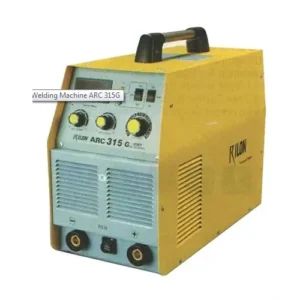
Rilon ARC Welding Machine 315G
Current (Ampere) 200-300, 300-400Technology IGBT BasedVoltage(V) 380 V₹12,000.00Rilon ARC Welding Machine 315G
₹12,000.00 -

Arc 200 Welding Machine
Output Current (Ampere) 0-200Phase Single phaseBrand riland₹8,500.00Arc 200 Welding Machine
₹8,500.00 -

Arc Welding Machine 300 Amp Single Phase
Output Current 300 AmpPhase Single PhaseWeight 7 Kg₹12,999.00Arc Welding Machine 300 Amp Single Phase
₹12,999.00 -

ESAB 20-630A Welding Machines ARC 630i
Brand ESABModel ARC 630iWelding Current Range 20-630A₹95,000.00ESAB 20-630A Welding Machines ARC 630i
₹95,000.00
Arc Welding Machines: The Ultimate Guide to Efficient and Precise Welding
Arc welding machines are essential tools in metal fabrication, construction, automotive repair, and industrial manufacturing. These machines utilize an electrical arc to generate intense heat, melting and fusing metals together. With a variety of arc welding techniques available, including Stick (SMAW), TIG (GTAW), and MIG (GMAW) welding, professionals and DIY enthusiasts can achieve strong, high-quality welds for different applications.
What is an Arc Welding Machine?
An arc welding machine is a power tool that generates an electric arc between an electrode and the base metal, creating enough heat to melt and join metal parts. These machines are used for welding steel, stainless steel, aluminum, and other metals in various industries.
How Does an Arc Welding Machine Work?
Arc welding machines function by creating a high-voltage electrical circuit that produces an arc between the electrode and the workpiece. This arc generates extreme heat (up to 6,500°F), melting the metal surfaces and allowing them to fuse together as they cool.
Key Components of an Arc Welding Machine:
- Power Source: Converts electrical energy into a controlled welding current.
- Electrode Holder: Holds and guides the electrode during welding.
- Ground Clamp: Completes the electrical circuit by connecting to the workpiece.
- Electrode or Filler Material: Conducts electricity and melts to form the weld.
- Shielding Gas (for MIG/TIG): Protects the weld from atmospheric contamination.
Types of Arc Welding Machines
Different types of arc welding machines are designed for specific applications, offering varying levels of control, precision, and ease of use.
1. Stick Welding (SMAW) Machine
Stick welding machines use a consumable electrode coated in flux to create welds.
Features:
- Ideal for outdoor and heavy-duty applications
- Works well on dirty, rusty, or painted metal
- Cost-effective and easy to operate
2. MIG Welding (GMAW) Machine
MIG welding machines use a continuous wire electrode fed through a welding gun, requiring shielding gas to protect the weld.
Features:
- Produces clean, strong welds with minimal spatter
- Ideal for thin metal and high-production applications
- Easier to learn compared to TIG welding
3. TIG Welding (GTAW) Machine
TIG welding machines use a non-consumable tungsten electrode and shielding gas, offering precise and high-quality welds.
Features:
- Provides superior weld quality and aesthetics
- Best for thin metals and intricate work
- Requires greater skill and control
4. Flux-Cored Arc Welding (FCAW) Machine
Similar to MIG welding but uses a flux-cored wire, eliminating the need for shielding gas.
Features:
- Suitable for outdoor welding and structural applications
- Handles thick and heavy materials efficiently
- Produces higher deposition rates
5. Plasma Arc Welding (PAW) Machine
Plasma arc welding machines use ionized gas to create an extremely focused and hot plasma arc.
Features:
- Delivers precise and clean welds
- Ideal for aerospace and high-tech industries
- Works with a wide range of metals
Benefits of Using Arc Welding Machines
1. Strong and Durable Welds
Arc welding creates deep penetration welds, ensuring structural integrity and long-lasting joints.
2. Versatility
Arc welding machines can handle various metals, thicknesses, and welding positions.
3. Cost-Effective Welding Method
Compared to other welding techniques, arc welding is affordable due to lower equipment and material costs.
4. High Efficiency and Productivity
Modern arc welding machines offer high-speed welding with minimal post-weld cleaning required.
5. Suitable for All Environments
Many arc welding machines can operate in indoor and outdoor conditions, including harsh environments.
Applications of Arc Welding Machines
1. Construction and Structural Fabrication
Used for welding steel beams, bridges, pipelines, and heavy infrastructure.
2. Automotive Repair and Manufacturing
Essential for car frame repair, exhaust systems, and precision welding in automotive production.
3. Aerospace Industry
Used for creating high-strength, lightweight metal structures and aircraft components.
4. Shipbuilding and Marine Engineering
Arc welding is crucial for constructing and repairing ships, submarines, and offshore platforms.
5. DIY Projects and Home Repairs
Ideal for welding gates, fences, and custom metal fabrications at home.
How to Choose the Right Arc Welding Machine
1. Power Requirements
Consider whether you need a 110V, 220V, or industrial-grade power supply.
2. Type of Welding
Choose the appropriate welding machine based on the materials and project requirements.
3. Duty Cycle
Select a machine with an adequate duty cycle to ensure continuous operation without overheating.
4. Portability and Size
Lightweight and compact models are preferable for mobility, while heavy-duty models offer increased power.
5. Safety Features
Look for machines with thermal overload protection, voltage control, and stable arc performance.
Maintenance Tips for Arc Welding Machines
1. Regularly Inspect Cables and Connections
Check for frayed wires and loose connections to prevent electrical hazards.
2. Clean the Machine and Accessories
Remove dust, debris, and slag to maintain efficiency.
3. Replace Worn Electrodes and Nozzles
Using fresh electrodes ensures clean and strong welds.
4. Store in a Dry, Cool Place
Protect the machine from moisture and extreme temperatures to extend its lifespan.
5. Follow Manufacturer Guidelines
Use recommended settings and components for optimal performance and safety.
Shop High-Quality Arc Welding Machines Online
Explore our premium selection of arc welding machines designed for superior welding performance and durability. Whether you’re a professional welder or a DIY enthusiast, we offer a range of models from top brands to suit every need.
Shop now and experience precision welding with advanced arc welding machines!