
Prefabricated Structures
Introduction to Prefabricated Structures
The evolution of the construction industry has seen the introduction of various innovative solutions to improve efficiency, reduce costs, and shorten construction timelines. Among these innovations, prefabricated structures have emerged as one of the most revolutionary construction methods in recent years. Prefabricated structures, also known as modular buildings or pre-engineered structures, are designed and built in a factory setting before being transported to the construction site for assembly. These structures are manufactured using various materials, with steel, concrete, and wood being some of the most common options.
The key benefit of prefabricated structures lies in their ability to significantly reduce construction time, labor costs, and material waste. With the increasing demand for sustainable and cost-effective building solutions, prefabricated structures have become popular across multiple industries, including residential, commercial, industrial, and agricultural sectors. This detailed SEO description will explore the various aspects of prefabricated structures, from their types and benefits to their applications and future potential.
What Are Prefabricated Structures?
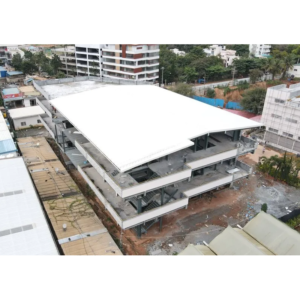
Prefabricated structures are buildings or parts of buildings that are manufactured in a factory or controlled environment and then assembled at the construction site. Unlike traditional construction methods, where construction takes place entirely on-site, prefabricated structures are partially or fully constructed off-site before they are transported to the final location for installation.
Prefabricated structures typically consist of modular units, pre-engineered panels, and pre-assembled components, such as walls, roofs, floors, and beams. These units are made to specific design specifications and can be quickly assembled on-site, reducing construction time.
Prefabricated structures can be customized based on the specific needs of the project. Whether for residential, commercial, or industrial applications, the use of prefabricated components allows for flexibility in design, greater precision, and cost-effectiveness.
Types of Prefabricated Structures
Prefabricated structures come in several types, each offering distinct advantages based on the intended application, budget, and design requirements. Here are the most common types of prefabricated structures:
-
Modular Buildings
Modular buildings are perhaps the most well-known type of prefabricated structures. They are created by assembling pre-built modules or sections at the factory, which are then transported to the site for final installation. Each module is constructed to meet building code requirements and includes all necessary utilities, such as plumbing, electrical wiring, and HVAC systems.
Modular buildings are highly flexible and can be customized to meet various design specifications. They are commonly used for residential, commercial, and temporary facilities, such as classrooms, offices, and healthcare buildings.
-
Pre-Engineered Steel Buildings
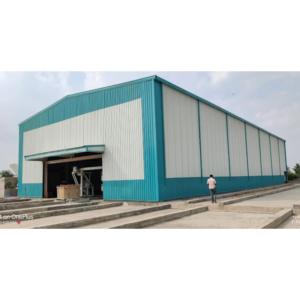
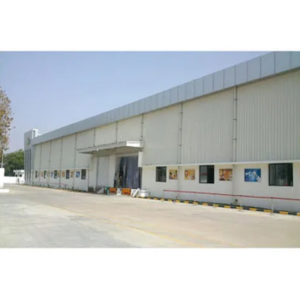
Pre-engineered steel buildings (PEBs) are constructed using steel frames and pre-fabricated metal components. These buildings are designed to meet specific load requirements and are often used for industrial and commercial applications. Pre-engineered steel buildings are known for their durability, strength, and resistance to harsh weather conditions, making them ideal for warehouses, manufacturing plants, and storage facilities.
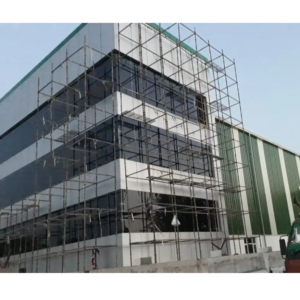
These buildings typically include a steel frame, roof panels, wall panels, and support beams, all pre-fabricated and then transported to the site for assembly. PEBs are highly customizable and can be designed to accommodate specific operational needs.
-
Prefabricated Concrete Structures
Prefabricated concrete structures are made by casting concrete elements in a controlled factory environment and then transporting them to the site for assembly. These elements can include walls, floors, beams, and columns. Prefabricated concrete buildings offer excellent fire resistance, thermal insulation, and durability, making them ideal for both residential and commercial applications.
In addition to traditional concrete, precast concrete is commonly used in prefabricated structures. Precast concrete is cast in a mold and cured in a factory before being transported and installed. The use of precast concrete reduces construction time and increases precision in building construction.
-
Wooden Prefabricated Structures
Wooden prefabricated structures are created by pre-fabricating wooden panels or components in a factory setting and then assembling them on-site. These structures are commonly used for residential buildings, such as modular homes, and offer a natural and aesthetic appeal. Wooden prefabricated structures are popular in areas where traditional construction methods are costly or impractical.
These types of prefabricated structures are highly customizable and can be tailored to the architectural needs of a residential project. The wooden panels or components are designed to meet structural requirements, and installation is typically faster compared to traditional on-site construction.
-
Container-Based Structures
Container-based prefabricated structures use shipping containers as the basic structural unit. These containers are modified and customized to create a wide range of functional spaces, including homes, offices, and retail spaces. Container buildings are strong, secure, and portable, making them an ideal choice for temporary or mobile structures.
The use of repurposed shipping containers offers an environmentally friendly and cost-effective alternative to traditional building methods. Container-based structures are typically used for small residential units, emergency shelters, pop-up stores, and mobile offices.
-
Temporary Prefabricated Structures
Temporary prefabricated structures are designed for short-term use and can be quickly assembled and disassembled as needed. These buildings are often used for events, construction sites, disaster relief, and mobile offices. They are generally lightweight, portable, and flexible in design, offering a versatile solution for various temporary needs.
Temporary prefabricated structures can include modular units, steel frames, and tents. They are easy to transport and can be assembled within a matter of days or weeks.
Advantages of Prefabricated Structures
The rise in popularity of prefabricated structures is largely due to the many advantages they offer over traditional construction methods. Some of the key benefits include:
-
Cost Savings
One of the most compelling reasons to choose prefabricated structures is their cost-effectiveness. Since the components are pre-engineered and built in a factory setting, the overall construction costs are significantly lower than traditional on-site construction. Labor costs are also reduced because prefabricated structures require less time to assemble, and factory-built components often require fewer resources and materials.
-
Faster Construction Time
Prefabricated structures can be assembled much faster than traditional buildings. The manufacturing of prefabricated components takes place in a controlled environment while site preparation occurs simultaneously. Once the components arrive at the construction site, assembly can begin immediately. As a result, the construction timeline is drastically reduced, and the building can be ready for use much sooner.
-
Precision and Quality Control
Prefabricated structures are built in a factory setting where stringent quality control measures are implemented. Each component is carefully engineered, manufactured, and tested to ensure it meets the necessary building codes and regulations. This level of precision reduces errors and ensures that the final structure is of the highest quality.
-
Sustainability and Environmental Benefits
Prefabricated structures are more environmentally friendly than traditional construction methods. The factory-controlled environment allows for better management of materials, reducing waste and optimizing the use of resources. Many prefabricated structures are also designed to be energy-efficient, with options for insulation, solar panels, and green roofing systems. Additionally, the use of recyclable materials, such as steel and concrete, makes prefabricated buildings a sustainable choice.
-
Customization and Flexibility
Prefabricated structures offer a high level of customization, allowing the design to be tailored to meet specific needs. Whether for residential, commercial, or industrial applications, the modular nature of prefabricated buildings allows for a wide range of layout options. The modular units can be combined, rearranged, or expanded to accommodate changing requirements.
-
Reduced Disruption
Since much of the construction work is completed off-site, prefabricated structures cause less disruption to the surrounding environment. There is less noise, dust, and debris compared to traditional on-site construction, which can be particularly beneficial for urban areas or locations where minimizing disruption is a priority.
-
Durability and Longevity
Prefabricated structures are designed to be highly durable and resistant to environmental factors. Steel and concrete, the two most commonly used materials in prefabricated buildings, offer excellent strength, durability, and resistance to corrosion, fire, and extreme weather conditions. As a result, prefabricated buildings have a long lifespan, reducing the need for frequent maintenance or repairs.
-
Energy Efficiency
Many prefabricated structures are designed with energy efficiency in mind. With the ability to incorporate advanced insulation materials, energy-efficient windows, and green building technologies, these structures can significantly reduce energy consumption. As a result, businesses and homeowners can lower their utility bills and minimize their environmental impact.
Applications of Prefabricated Structures
Prefabricated structures have a wide range of applications, making them an ideal choice for various industries. Below are some of the most common uses:
-
Residential Buildings
Prefabricated structures are increasingly being used for residential purposes, offering a fast and affordable alternative to traditional home construction. Modular homes, prefabricated houses, and container homes are all examples of residential buildings that benefit from the efficiency of prefabricated construction. These structures can be customized to suit individual preferences, providing a high-quality, cost-effective housing solution.
-
Commercial Buildings
Prefabricated structures are widely used for commercial purposes, including office buildings, retail spaces, and hospitality facilities. The ability to quickly assemble prefabricated buildings makes them ideal for businesses that need to expand or relocate quickly. Additionally, the design flexibility allows for functional spaces that meet specific business requirements.
-
Industrial Facilities
In the industrial sector, prefabricated structures are often used for warehouses, manufacturing plants, storage facilities, and distribution centers. The durability and strength of materials like steel and concrete make them ideal for large-scale industrial buildings, and the modular nature allows for easy expansion or reconfiguration.
-
Agricultural Buildings
Prefabricated structures are commonly used in agriculture for barns, silos, greenhouses, and livestock facilities. The ability to design large, open spaces with minimal interior support columns makes prefabricated buildings a perfect solution for agricultural applications.
-
Emergency and Temporary Structures
Prefabricated structures are frequently used for emergency shelters, disaster relief housing, and temporary offices. The portability and quick assembly of these structures make them ideal for situations where time is critical and the need for shelter or workspace is urgent.
-
Healthcare Facilities
In the healthcare industry, prefabricated structures are used for clinics, medical offices, and even temporary hospitals. The fast construction time and flexibility in design make them an ideal solution for healthcare facilities that require rapid deployment.
-
Educational Institutions
Schools, classrooms, and administrative buildings are often constructed using prefabricated materials. The ability to expand and reconfigure modular units makes them an ideal solution for educational institutions looking to meet growing demands for space.
The Future of Prefabricated Structures
The future of prefabricated structures looks promising, with continued advancements in technology, materials, and design capabilities. As the demand for sustainable, cost-effective construction solutions grows, prefabricated buildings are expected to become even more popular across various industries. Innovations such as 3D printing, smart building technologies, and green construction materials will further enhance the efficiency, functionality, and sustainability of prefabricated structures.
In conclusion, prefabricated structures offer a fast, cost-effective, and sustainable solution for a wide range of construction needs. From residential homes to industrial facilities, prefabricated buildings provide the flexibility, durability, and efficiency required by modern construction projects. As technology continues to evolve, the use of prefabricated structures will likely become an increasingly dominant force in the construction industry, offering both environmental and economic benefits.