
Goods Lift
-

Easy move High Reach Scissor Lift, 30 feet
Brand easy moveCapacity 0.3-0.5 tonWorking Height 30 feet₹490,000.00Easy move High Reach Scissor Lift, 30 feet
₹490,000.00 -

Mobile Scissor Lift, 20 feet
Capacity 0.3-0.5 tonWorking Height 20 feetRunning Mode Moving₹450,000.00Mobile Scissor Lift, 20 feet
₹450,000.00 -

Hydraulic Scissor Lift Table
Power Source HydraulicUsage/Application WarehousesTable Surface Finish Anti-Slip, chequered plate₹435,000.00Hydraulic Scissor Lift Table
₹435,000.00 -
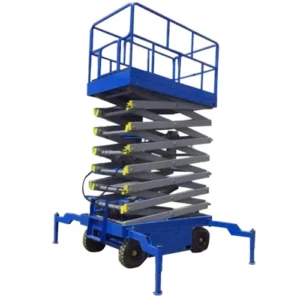
TechnoAce Mobile Scissor Lift for Industrial
Brand TechnoAceLift Type Scissor LiftUsage/Application Industrial₹200,000.00TechnoAce Mobile Scissor Lift for Industrial
₹200,000.00
Goods Lift: A Comprehensive Guide
Introduction to Goods Lifts
Goods lifts are specialized elevators designed for the vertical transportation of heavy materials, goods, and cargo in commercial, industrial, and warehouse settings. They offer efficiency, safety, and convenience in moving materials between different floors, reducing manual labor and enhancing productivity.
Types of Goods Lifts
- Hydraulic Goods Lifts: Operate using hydraulic mechanisms, ideal for heavy loads and smooth operation.
- Traction Goods Lifts: Use a system of ropes and counterweights for high-efficiency lifting.
- Dumbwaiters: Small-sized lifts used in restaurants and hotels for transporting food and utensils.
- Freight Elevators: Large capacity lifts designed for heavy loads in factories and warehouses.
- Scissor Lifts: Platform-style lifts that provide vertical movement, used in industrial applications.
Benefits of Goods Lifts
- Increased Efficiency: Speeds up material movement, reducing labor effort and time.
- Enhanced Safety: Minimizes the risk of injuries associated with manual lifting.
- High Load Capacity: Designed to carry heavy goods efficiently.
- Space Optimization: Utilizes vertical space, improving storage and workflow.
- Customizable Designs: Available in various sizes and capacities to suit different applications.
- Cost-Effective: Reduces labor costs and improves operational efficiency.
- Durability & Longevity: Built with strong materials to withstand heavy usage.
Applications of Goods Lifts
- Warehouses & Factories: Used for moving raw materials and finished products between floors.
- Retail Stores & Shopping Malls: Transporting stock to different levels efficiently.
- Hotels & Restaurants: Dumbwaiters help in serving food between kitchens and dining areas.
- Hospitals: Transporting medical supplies, equipment, and linen safely.
- Automobile & Manufacturing Industries: Moving heavy machinery and tools.
Factors to Consider When Choosing a Goods Lift
- Load Capacity: Determine the maximum weight it needs to carry.
- Lifting Mechanism: Choose between hydraulic, traction, or scissor lift systems based on needs.
- Space Availability: Consider the installation space and shaft requirements.
- Speed & Efficiency: Select a lift with the desired speed for smooth operations.
- Safety Features: Look for overload protection, emergency brakes, and safety locks.
- Maintenance Requirements: Opt for a lift that is easy to maintain and service.
- Cost & Budget: Balance between features and affordability.
Frequently Asked Questions (FAQs)
1. What is the maximum weight a goods lift can carry?
Goods lifts can carry anywhere from 100 kg to several tons, depending on the model and design.
2. How do hydraulic goods lifts work?
They use hydraulic fluid pressure to move the lift platform, making them suitable for heavy loads.
3. Are goods lifts safe for daily use?
Yes, goods lifts are designed with safety features like emergency stops, overload sensors, and secure door locking systems.
4. Can a goods lift be customized?
Yes, goods lifts can be customized based on load capacity, dimensions, and operational requirements.
5. What maintenance is required for goods lifts?
Regular inspections, lubrication, and safety checks are essential to ensure smooth operation and longevity.
6. Can goods lifts be installed in small spaces?
Yes, compact designs are available for limited-space installations.
7. What industries use goods lifts the most?
Manufacturing, warehousing, retail, hospitality, and healthcare industries frequently use goods lifts.
8. What are the differences between goods lifts and passenger elevators?
Goods lifts are designed for heavy loads and durability, while passenger elevators prioritize comfort and aesthetics.
Conclusion
Goods lifts are essential for businesses that require efficient vertical transportation of goods. Choosing the right type of lift based on capacity, safety, and space can significantly improve productivity and operational efficiency. Regular maintenance ensures long-term performance and safety, making goods lifts a valuable investment for industrial and commercial facilities.