
Portable Generator
-
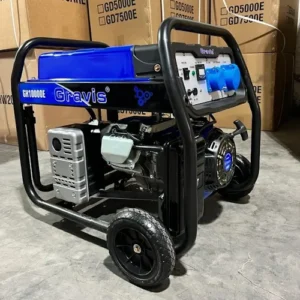
5 kVA GRAVIS Portable Generator
Power 5 kVAPhase Single PhaseBrand Gravis₹55,000.005 kVA GRAVIS Portable Generator
₹55,000.00 -
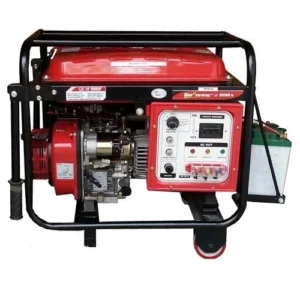
5 kVA HPM Portable Open Generator
Phase 3-PhaseEngine Make YAMAHAGenset Brand HPMPower (kVA) 5 kVA₹84,900.005 kVA HPM Portable Open Generator
₹84,900.00 -
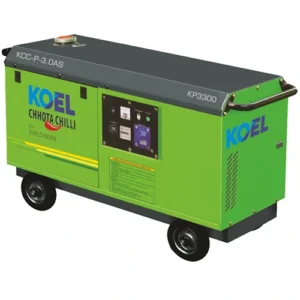
3 KVA KP3300 Koel Portable Generator
Power (kVA) 3 KVABrand KOELModel Number KP3300₹99,000.003 KVA KP3300 Koel Portable Generator
₹99,000.00 -
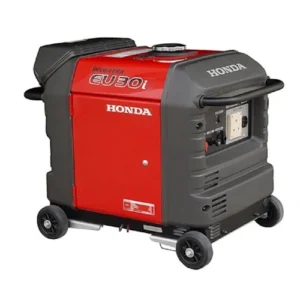
2 kVA Honda EU30is Portable Generator
Power 2 kVADimension (L X W X H) mm 710 x 482 x 570 mmAir Cleaner Dual Type₹110,000.002 kVA Honda EU30is Portable Generator
₹110,000.00
Portable Generators: A Comprehensive Guide
Introduction to Portable Generators
Portable generators are versatile power sources that provide electricity during power outages, outdoor activities, construction projects, and remote locations. They run on various fuels such as gasoline, diesel, propane, or solar energy and offer a reliable backup power solution for homes, businesses, and recreational use.
How Portable Generators Work
Portable generators convert fuel into electrical power through an internal combustion engine. The engine drives an alternator, which produces electricity. The generated power is then delivered to appliances and devices through outlets on the generator. Some models also feature inverters to provide stable power for sensitive electronics.
Types of Portable Generators
- Conventional Portable Generators: Use gasoline or diesel to generate electricity, ideal for home backup and outdoor use.
- Inverter Generators: Offer cleaner, more stable power, making them suitable for sensitive electronics like laptops and medical devices.
- Dual-Fuel Generators: Operate on both gasoline and propane, providing flexibility in fuel choice.
- Solar-Powered Generators: Use solar panels to charge batteries, offering an eco-friendly and silent power solution.
Features and Benefits of Portable Generators
- Backup Power Supply: Ensures electricity during emergencies and blackouts.
- Portability: Compact design allows easy transport for outdoor and on-site use.
- Multiple Fuel Options: Gasoline, propane, diesel, and solar-powered models available.
- Varied Power Output: Ranges from small 1,000-watt units to large 10,000-watt models.
- Low Maintenance: Regular servicing extends lifespan and efficiency.
- Affordable Solution: Cost-effective alternative to standby generators.
Applications of Portable Generators
- Home Backup Power: Keeps essential appliances running during power outages.
- Camping and RVing: Provides electricity for lights, cooking, and charging devices.
- Construction Sites: Powers tools and equipment in remote areas.
- Outdoor Events: Supplies power for concerts, tailgating, and other gatherings.
- Farming and Agriculture: Runs irrigation systems, electric fences, and other equipment.
Factors to Consider When Buying a Portable Generator
- Power Output: Choose based on wattage needs for appliances and devices.
- Fuel Type: Select gasoline, diesel, propane, or solar based on availability and preference.
- Runtime & Efficiency: Longer runtimes reduce refueling frequency.
- Noise Levels: Inverter generators are quieter than conventional models.
- Portability & Weight: Consider size, handles, and wheels for easy movement.
- Safety Features: Look for overload protection, low-oil shutoff, and carbon monoxide sensors.
Portable Generator Maintenance Tips
- Regular Oil Changes: Keeps engine performance optimal.
- Keep Fuel Fresh: Use fuel stabilizers for long-term storage.
- Clean Air Filters: Prevents engine damage and ensures smooth operation.
- Check Spark Plugs: Replace when necessary to maintain efficiency.
- Run Generator Periodically: Prevents fuel system issues and keeps parts lubricated.
Frequently Asked Questions (FAQs)
1. How much power do I need from a portable generator?
Determine wattage requirements based on the appliances and devices you need to power. Most home backup generators range from 3,000 to 7,500 watts.
2. Can I run my portable generator indoors?
No, portable generators produce carbon monoxide and should only be used outdoors in well-ventilated areas.
3. How long can a portable generator run continuously?
Runtime depends on the fuel tank size and load. Some generators can run for 8-12 hours on a full tank.
4. What is the difference between an inverter generator and a conventional generator?
Inverter generators provide cleaner, stable power with lower noise levels, making them ideal for sensitive electronics.
5. Can I connect a portable generator to my home’s electrical system?
Yes, but it requires a transfer switch installed by a licensed electrician to ensure safety and compliance.
6. How do I store my portable generator?
Store in a dry, cool place, drain fuel if storing for long periods, and perform periodic maintenance.
7. Are solar-powered generators reliable?
Yes, solar generators are reliable for small power needs, but they depend on sunlight and have limited energy storage.
8. What safety precautions should I take when using a portable generator?
Always use outdoors, keep away from windows and doors, avoid overloading, and ensure proper grounding.
Conclusion
Portable generators are essential for backup power, outdoor adventures, and job sites. With various options available, selecting the right generator depends on power needs, fuel preference, and intended use. Regular maintenance and safety measures ensure longevity and efficient performance.