
Stainless Steel Plates
-

Hot Rolled SAIL Stainless Steel Plate, Steel Grade: SS 304, Thickness: 2-3 mm
Steel Grade SS 304Surface Treatment Hot RolledThickness 2-3 mm₹60.00 -

Coated Jindal Stainless Steel Plate, Thickness: 15 mm, SS 310
Material Grade SS 310Thickness 15 mmMaterial Stainless Steel₹184.00 -
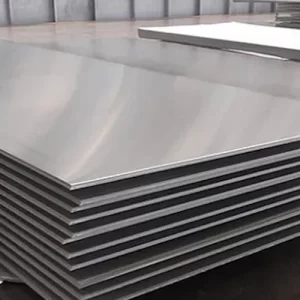
Jindal Stainless Steel Plate 304 & 316
Steel Grade SS 304Material material 304 & 316Surface Treatment Painted₹189.00 -

Stainless Steel Plate, Material Grade: SS 304/316, Size: 1250 X 2500 / 6000
Thickness 1-100 mmMaterial Grade SS 304/316Steel Grade SS 304₹162.00
Stainless Steel Plates: A Comprehensive Guide
Introduction to Stainless Steel Plates
Stainless steel plates are durable, corrosion-resistant metal sheets widely used in various industries, including construction, automotive, food processing, and manufacturing. Known for their strength, versatility, and aesthetic appeal, stainless steel plates offer excellent resistance to heat, rust, and chemical damage, making them a preferred choice for structural and decorative applications.
How Stainless Steel Plates Are Made
Stainless steel plates are manufactured through a series of processes, including melting, casting, and hot or cold rolling. The raw materials, mainly iron, chromium, nickel, and molybdenum, are melted in a furnace and then cast into slabs. These slabs undergo rolling processes to achieve the desired thickness and finish before being cut into plates of various sizes.
Types of Stainless Steel Plates
- Austenitic Stainless Steel Plates: High corrosion resistance and non-magnetic properties, ideal for kitchen equipment, medical devices, and marine applications.
- Ferritic Stainless Steel Plates: Magnetic and moderately corrosion-resistant, commonly used in automotive and industrial applications.
- Martensitic Stainless Steel Plates: High strength and hardness, often used for knives, turbine blades, and aerospace components.
- Duplex Stainless Steel Plates: A combination of austenitic and ferritic properties, offering superior strength and resistance to stress corrosion cracking.
- Precipitation-Hardening Stainless Steel Plates: Excellent strength and corrosion resistance, used in aerospace and high-performance applications.
Features and Benefits of Stainless Steel Plates
- Corrosion Resistance: Ideal for environments with moisture, chemicals, and high temperatures.
- High Strength and Durability: Can withstand heavy loads and mechanical stress.
- Heat and Fire Resistance: Maintains integrity at high temperatures.
- Aesthetic Appeal: Sleek, polished finish enhances appearance.
- Low Maintenance: Requires minimal cleaning and upkeep.
- Recyclability: Environmentally friendly and sustainable.
Applications of Stainless Steel Plates
- Construction & Architecture: Used in facades, roofing, and structural components.
- Automotive Industry: Essential for car body parts, exhaust systems, and engine components.
- Food Processing & Catering: Ideal for kitchen surfaces, storage containers, and processing equipment.
- Medical & Pharmaceutical: Used in surgical instruments, medical trays, and hospital furniture.
- Marine & Shipbuilding: Resistant to seawater corrosion, making it suitable for ship hulls and offshore platforms.
- Manufacturing & Industrial: Used in chemical tanks, pressure vessels, and machinery parts.
Factors to Consider When Buying Stainless Steel Plates
- Grade Selection: Choose the right grade based on corrosion resistance, strength, and application requirements.
- Thickness & Dimensions: Ensure the plate meets structural and design specifications.
- Surface Finish: Options include brushed, polished, or patterned finishes for different aesthetics and functionality.
- Certifications & Standards: Look for industry certifications such as ASTM, ISO, or EN to ensure quality.
- Cost & Budget: Compare prices from different suppliers while considering long-term durability.
Stainless Steel Plate Maintenance Tips
- Regular Cleaning: Use mild detergent and warm water to remove dirt and stains.
- Avoid Abrasive Cleaners: Use non-scratching pads to maintain surface integrity.
- Prevent Rust Formation: Store in a dry environment and avoid prolonged exposure to corrosive substances.
- Polishing & Refinishing: Restore shine and remove scratches with specialized stainless steel polish.
Frequently Asked Questions (FAQs)
1. What is the best stainless steel grade for corrosion resistance?
Grades 304 and 316 are highly corrosion-resistant, with 316 offering superior resistance to chlorides and marine environments.
2. Can stainless steel plates rust?
While stainless steel is corrosion-resistant, prolonged exposure to harsh environments can cause rusting. Proper maintenance prevents corrosion.
3. What are common thicknesses for stainless steel plates?
Stainless steel plates are available in thicknesses ranging from 0.5mm to over 50mm, depending on the application.
4. Can stainless steel plates be welded?
Yes, most stainless steel plates are weldable, but specific techniques and filler materials may be required based on the grade.
5. Are stainless steel plates food-safe?
Yes, food-grade stainless steel (such as 304) is safe for food preparation, storage, and processing.
6. How do I cut stainless steel plates?
Stainless steel plates can be cut using laser cutting, plasma cutting, water jet cutting, or mechanical shearing.
7. What is the difference between hot-rolled and cold-rolled stainless steel plates?
Hot-rolled plates are produced at high temperatures and are typically thicker, while cold-rolled plates have a smoother surface and precise dimensions.
8. Can stainless steel plates be customized?
Yes, many manufacturers offer custom cutting, bending, and finishing to meet specific project requirements.
Conclusion
Stainless steel plates are a durable, versatile, and cost-effective solution for a wide range of industries. Their corrosion resistance, strength, and aesthetic appeal make them indispensable in construction, automotive, food processing, and other sectors. Choosing the right grade, thickness, and finish ensures optimal performance and longevity.