
Bricks & Blocks
-
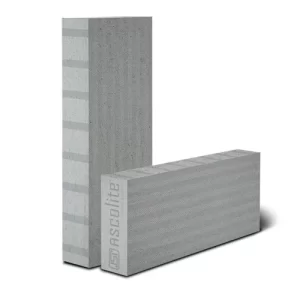
Concrete AAC Blocks, Size: 650 X 250 X 100mm
Brand AscoliteColor GreyShape Cubical₹4,896.00 -
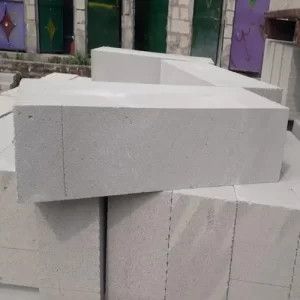
Lightweight AAC Block, 12 in x 4 in x 2 in
Usage/Application Partition WallsSize 12 in x 4 in x 2 inColor Grey₹2,880.00 -

Rectangular Aac Autoclaved Aerated Concrete Block
Shape RectangularMaterial AACThickness 100mm,125mm,150mm,200mm,225mm,250mm,300mm₹2,736.00 -
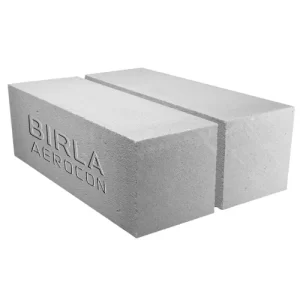
AAC Block Rectangular
Brand Birla AeroconColor GreyShape Rectangular₹4,704.00AAC Block Rectangular
₹4,704.00
Bricks & Blocks: A Comprehensive Guide
Introduction to Bricks & Blocks
Bricks and blocks are fundamental building materials used in construction worldwide. They provide structural integrity, thermal insulation, and aesthetic appeal to buildings. With different compositions, sizes, and strengths, bricks and blocks are essential for both residential and commercial construction projects.
Types of Bricks
- Clay Bricks: Traditional bricks made from natural clay and fired in kilns.
- Fly Ash Bricks: Eco-friendly bricks made from fly ash, cement, and lime.
- Concrete Bricks: Made from a mix of cement, sand, and aggregates.
- Fire Bricks: Heat-resistant bricks used in furnaces and fireplaces.
- Engineering Bricks: High-strength and low water absorption bricks used in damp conditions.
- Sand-Lime Bricks: Composed of sand and lime, offering high strength and smooth finishes.
- Perforated Bricks: Bricks with holes to reduce weight and improve bonding with mortar.
Types of Blocks
- Concrete Blocks: Large, strong blocks used for walls and foundations.
- Hollow Blocks: Lightweight and efficient, reducing construction load.
- Aerated Autoclaved Concrete (AAC) Blocks: High thermal insulation and lightweight.
- Solid Blocks: Dense and robust, used in heavy-load structures.
- Paver Blocks: Used for landscaping, driveways, and walkways.
Benefits of Bricks & Blocks
- Durability: Long-lasting and weather-resistant materials.
- Cost-Effective: Low maintenance and affordable construction solutions.
- Eco-Friendly Options: Fly ash and AAC blocks reduce environmental impact.
- Thermal Insulation: Keeps interiors cool in summer and warm in winter.
- Fire Resistance: Many types offer excellent resistance to fire.
- Structural Strength: Provides stability and load-bearing capacity.
- Versatility: Suitable for walls, pavements, partitions, and facades.
Applications of Bricks & Blocks
- Residential Buildings: Used in walls, foundations, and fencing.
- Commercial & Industrial Structures: Factories, warehouses, and office buildings.
- Pavements & Landscaping: Driveways, garden paths, and outdoor areas.
- Retaining Walls: Prevents soil erosion and provides structural support.
- Fireplaces & Chimneys: Fire-resistant bricks for high-temperature applications.
Factors to Consider When Choosing Bricks & Blocks
- Strength & Load-Bearing Capacity: Select based on structural requirements.
- Weather Resistance: Consider exposure to moisture, heat, and freeze-thaw cycles.
- Aesthetic Appeal: Choose bricks and blocks that complement design preferences.
- Size & Shape: Ensure proper fit for construction requirements.
- Cost & Availability: Balance between budget and quality needs.
- Sustainability: Opt for environmentally friendly materials like fly ash bricks and AAC blocks.
Frequently Asked Questions (FAQs)
1. What is the difference between bricks and blocks?
Bricks are smaller and typically made from clay, while blocks are larger and made from concrete or AAC materials.
2. Which is better: clay bricks or concrete blocks?
Clay bricks offer better aesthetics and durability, while concrete blocks provide strength and faster construction.
3. Are fly ash bricks better than traditional bricks?
Yes, fly ash bricks are eco-friendly, lightweight, and have high compressive strength.
4. Can bricks and blocks be used interchangeably?
Not always; bricks are ideal for small-scale construction, while blocks are better for larger structures.
5. How do AAC blocks compare to red bricks?
AAC blocks are lighter, provide better insulation, and reduce construction time compared to red bricks.
6. What are the standard sizes of bricks and blocks?
Bricks typically measure 190x90x90 mm, while blocks vary from 400x200x200 mm to customized sizes.
7. How do I maintain brick and block structures?
Regular cleaning, sealing, and checking for cracks or water damage ensure longevity.
8. Are bricks fireproof?
Fire bricks and AAC blocks offer high fire resistance, making them ideal for heat-exposed areas.
Conclusion
Bricks and blocks are essential building materials that provide durability, insulation, and strength to structures. Choosing the right type based on strength, environmental impact, and cost will ensure a successful and sustainable construction project.